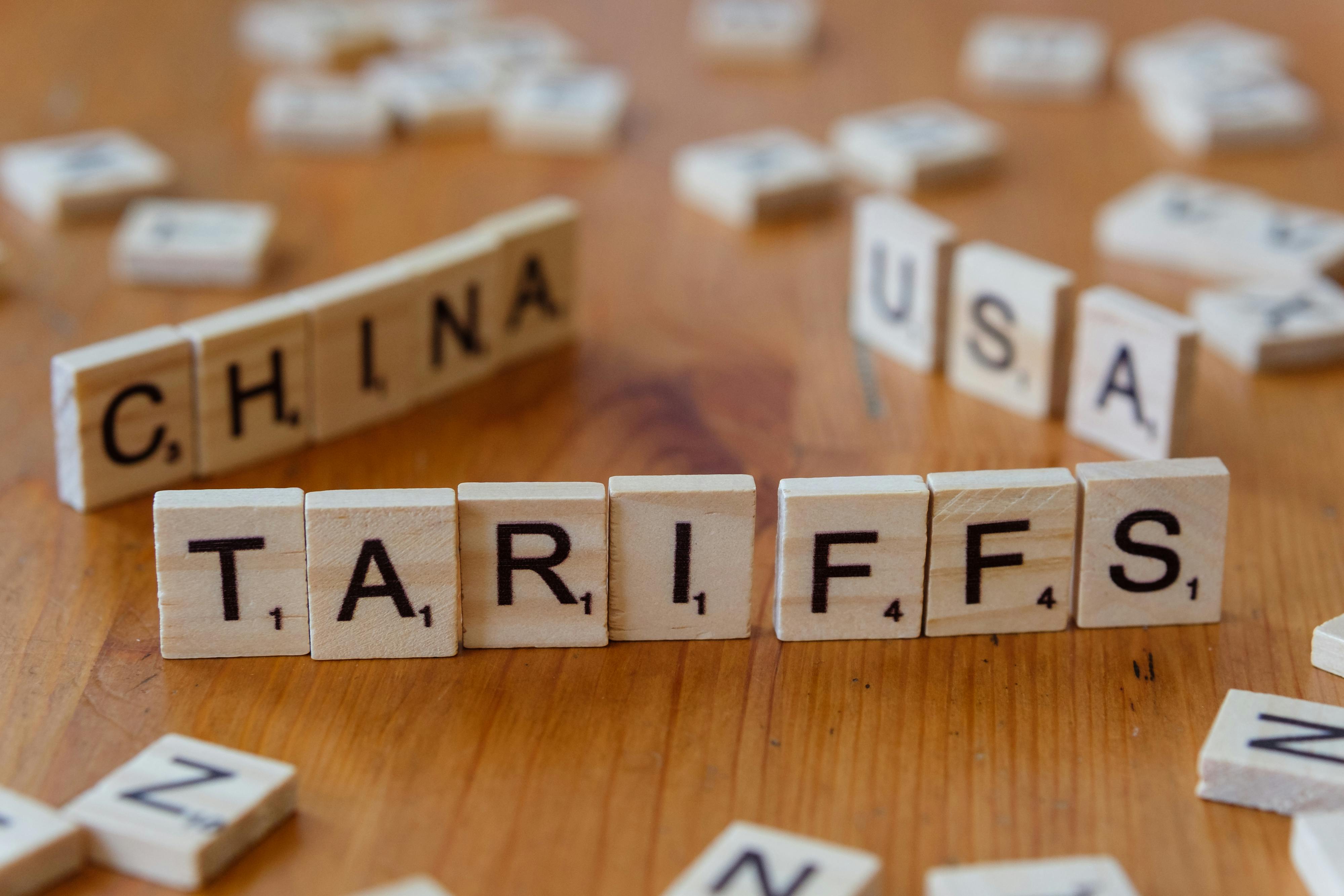
How to Protect Your Budget From Rising Prices and Tariffs in 2026
If your grocery bill feels higher, your gas is more expensive, and your paycheck doesn't stretch as far as it used to — you're not imagining it. Prices across the board have climbed in 2026, and tariffs on imported goods are a big part of the reason why. According to recent estimates, the average American household is absorbing hundreds of extra dollars in costs this year alone.
The good news? You have more control than you think. Here's how to protect your wallet without feeling like you're living in deprivation mode.
Understand What's Actually Getting More Expensive
Tariffs hit certain categories harder than others. The biggest price increases Americans are currently seeing are in:
- Groceries — especially imported foods, produce, and packaged goods
- Gas and transportation — fuel prices have climbed sharply in early 2026
- Clothing and electronics — heavily affected by import tariffs
- Home goods — furniture, appliances, and building materials
Knowing which categories hurt most helps you focus your energy where it matters.
1. Audit Your Spending — Right Now
Before you can cut smarter, you need to see where your money is actually going. Pull up your last two months of bank and credit card statements and sort expenses by category.
Ask yourself:
- Which of these categories have gotten noticeably more expensive?
- Where am I still spending on habits or subscriptions that I barely use?
- What can I buy differently (generic brands, bulk, local) to reduce the cost?
2. Switch to Generic — Seriously
Brand loyalty is expensive. In most categories — groceries, cleaning products, medications, personal care — generic or store-brand alternatives are nearly identical in quality.
Quick wins:
- Grocery store-brand pantry staples (pasta, canned goods, cereal)
- Generic over-the-counter medications
- Amazon Basics or store-brand electronics accessories
This one switch can save the average family $100–$200/month without feeling the difference.
3. Get Strategic at the Grocery Store
Food is where most households feel inflation the hardest. A few tactics that actually work:
- Plan meals before you shop — impulse buys are expensive
- Buy in bulk for non-perishables (Costco, Sam's Club)
- Use cashback apps like Ibotta, Fetch, or Rakuten
- Shop sales and rotate your meals around what's discounted that week
- Reduce meat — even cutting meat two days a week saves significantly
4. Cut Subscriptions You've Forgotten About
The average American pays for 4–5 streaming services and a handful of other recurring subscriptions they barely use. With prices higher across the board, this is an easy place to trim.
Go through your bank statement and cancel anything you haven't actively used in the past 30 days. You can always resubscribe later.
5. Protect Your Emergency Fund — Don't Touch It
When money gets tight, it's tempting to dip into savings. Resist. Your emergency fund is your financial airbag. Instead, look for places to cut spending before raiding your savings.
If your emergency fund is thin, now is actually the time to build it — not drain it.
6. Look for Price-Matching and Cashback
- Gas apps: GasBuddy helps you find the cheapest gas near you
- Browser extensions: Honey or Capital One Shopping auto-apply coupon codes
- Credit card rewards: Use a cashback card for everyday purchases (and pay it off monthly)
The Bottom Line
You can't control tariffs or inflation — but you can control your response to them. A quick spending audit, a few smart switches, and a tighter grocery strategy can recover a significant chunk of the money that rising prices are taking from you. Start with one step today.